
6 Suspension Clues You Shouldn’t Ignore
Table of Content
- Excessive Bouncing or a Rough Ride
- Pulling to One Side While Driving
- Nose Diving While Braking
- Uneven or Rapid Tire Wear
- Steering Difficulties or Wandering
- Visible Damage or Leaks on Suspension Parts
Your car might not talk, but it has its own way of letting you know when something’s off—especially when it comes to the suspension system. More than just a comfort feature, the suspension plays a critical role in your car’s handling, stability, and braking. When it starts to wear out, your car gives you warning signs that shouldn’t be ignored.
In this article, we’ll walk you through six key symptoms that suggest your suspension system may be in trouble, explain why they happen, and offer practical advice on what to do next. Whether you’re navigating city streets in Dammam or driving across Saudi highways, keeping your suspension in top shape is essential for a safer, smoother ride.
1. Excessive Bouncing or a Rough Ride
A car suspension system is designed to absorb bumps and provide a stable, comfortable ride. If you start to notice that your car bounces excessively after going over speed bumps, potholes, or uneven roads, it could be a sign that your shocks or struts are worn out.
Why It Happens:
Shocks and struts act as dampers. Over time, they lose their ability to absorb energy, causing your car to bounce more than it should.
What to Do:
Try a quick bounce test: firmly press down on the front or rear of your vehicle and then release. If the car bounces more than two or three times before settling, your shocks or struts may be worn out. It’s best to have your suspension checked by a qualified technician at a reputable auto care center.
2. Pulling to One Side While Driving
If your car pulls or drifts to one side while driving, even on a straight road, it could be a suspension issue, although wheel alignment, tire pressure, or brake problems may also be the culprits.
Why It Happens:
damaged or uneven suspension can lead to unequal weight distribution and cause the car to veer off its path.
What to Do:
First, rule out tire and alignment issues. If the problem persists, your suspension components—such as control arms, ball joints, or tie rods—may need attention.
3. Nose Diving While Braking
When you apply the brakes, does the front of your car dip down sharply? This “nose dive” effect is another common suspension warning sign.
Why It Happens:
Worn-out shocks and struts can no longer stabilize the vehicle during sudden stops, causing the front end to dip.
What to Do:
Braking performance is critical to safety. If you experience nose-diving, visit a suspension specialist immediately. Delaying repairs can compromise your ability to stop quickly.
4. Uneven or Rapid Tire Wear
Tires should wear out gradually and evenly if the suspension is in good condition. Uneven tread wear—especially cupping (a scalloped pattern)—can be a strong indicator of a failing suspension system.
Why It Happens:
A weak suspension can cause inconsistent tire contact with the road, leading to uneven pressure and faster degradation in specific areas.
What to Do:
Check your tires regularly and rotate them as recommended. If you notice uneven wear patterns, have your suspension and alignment checked right away.
5. Steering Difficulties or Wandering
If your steering feels loose, requires more effort, or the car feels unstable when turning or changing lanes, you could be dealing with worn-out suspension parts.
Why It Happens:
Your suspension is closely tied to your steering system. Faulty components like worn bushings, ball joints, or tie rods can affect steering responsiveness and precision.
What to Do:
Don’t ignore steering issues. They may seem small but can become dangerous quickly. Schedule a steering and suspension system diagnosis with a qualified technician.
6. Visible Damage or Leaks on Suspension Parts
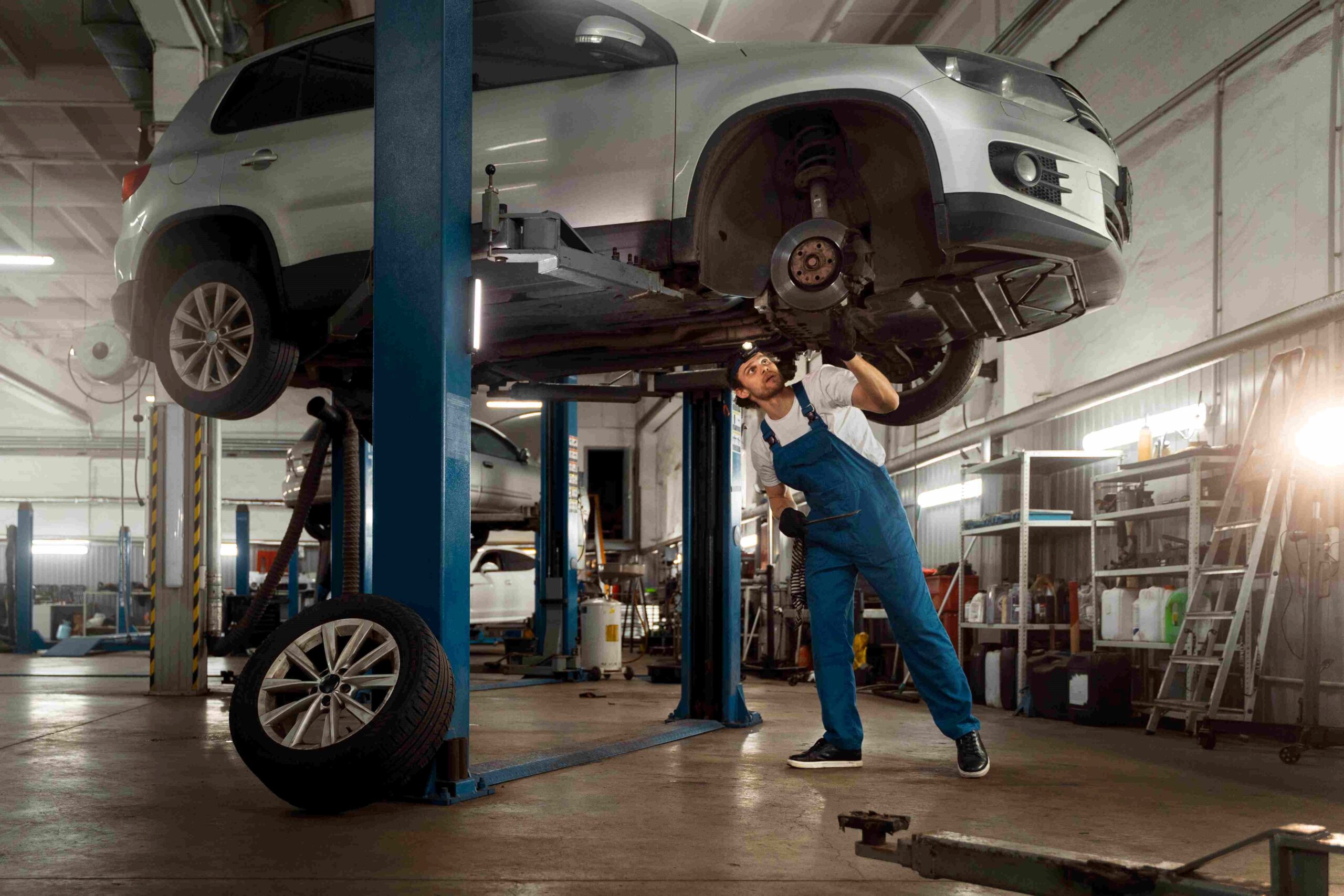
Take a look underneath your vehicle. Do the shocks or struts look oily or damaged? Leaking hydraulic fluid is a clear sign that the component is no longer functioning properly.
Why It Happens:
Shock absorbers are filled with hydraulic fluid. If the seals wear out or the casing gets damaged, fluid leaks out, rendering them ineffective.
What to Do:
Visual inspections should be done during routine maintenance. If you spot leaks or corrosion, the affected parts need to be replaced immediately.
Why Suspension Health Matters in Dammam
Driving in Saudi Arabia presents unique challenges: extreme heat, sandy roads, and long distances. These factors accelerate wear and tear on suspension systems. In Dammam specifically, the combination of urban stop-and-go traffic and highway travel makes maintaining suspension health all the more important.
Poor suspension doesn’t just affect ride comfort; it impacts:
- Braking distance
- Tire lifespan
- Fuel efficiency
- Driver fatigue
- Overall vehicle stability
When Should You Visit a Auto Care Centre?
You should never wait until a suspension problem worsens. As soon as you experience any of the symptoms above, schedule a suspension system check-up. It might be a minor fix today, but ignoring it could lead to costly repairs tomorrow—or worse, an accident.
At Al Salama Auto Care Centre, we specialize in complete suspension diagnostics and repairs. From shock absorber replacement to wheel alignment and bushing replacements, our expert technicians ensure your car runs safely and smoothly.
If you’re in Dammam or nearby, and you’ve noticed any of these signs, don’t wait. Get in touch with Al Salama Auto Care Centre for a full suspension system check-up today