

Define Automotive: Understanding the World of Cars
Define automotive industry; our existing environment has been greatly influenced by its vast and dynamic nature. From the earliest vehicles without horses to the modern, attractive electric cars, automobiles have transformed both culture and transportation. This blog post explores the history, technology, design, and future developments of the automotive business.
A Brief History of the Automotive Industry
The vehicle was invented in the late 19th century. The first useful automobiles were created as a result of global inventors and engineers experimenting with motorised vehicles. For the majority of cars, petrol-powered internal combustion engines have taken over as the primary power source.
The automotive business expanded quickly in the early 20th century as mass production methods reduced costs and made cars more widely available. The Model T, one of the most famous automobiles ever made, was the result of Henry Ford’s assembly line revolution in manufacturing.
The automotive industry kept innovating in the coming decades, bringing in innovations like air conditioning, power steering, and automatic transmissions. American dominance emerged in the middle of the 20th century, with well-known automakers like Ford, General Motors, and Chrysler manufacturing a wide range of vehicles.
Automotive Technology: Powering the Future
Leading the way in technical innovation is the automotive sector. Cars are now safer, more efficient, and more fun to drive thanks to technological breakthroughs in everything from engine technology to safety features.
- Engine Technology: With developments in fuel injection, turbocharging, and direct injection improving power and fuel efficiency, internal combustion engines are still evolving. Electric and hybrid cars are becoming more and more popular since they provide greener and more sustainable modes of travel.
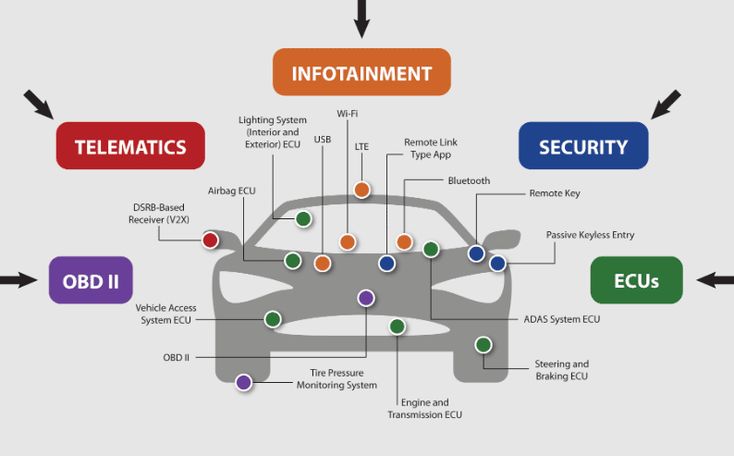
- Safety Features: Multiple safety measures, such as airbags, electronic stability control, and anti-lock brakes, are standard in modern cars. Lane-keeping assistance and adaptive cruise control is two examples of advanced driver-assistance systems (ADAS) that are becoming more and more popular.
- Connectivity and Infotainment: With technologies like smartphone integration, Wi-Fi hotspots, and over-the-air updates, cars are becoming increasingly linked. Numerous entertainment and navigation choices are available through sophisticated multimedia systems.
Automotive Design: Form and Function
With an eye on both usefulness and beauty, automotive design is a synthesis of art and science. Automobile designers produce vehicles that are productive and lightweight in addition to being aesthetically pleasing.
- Exterior Design: The first thing people notice about a car is its outside design. It displays both the personality of the car and the brand. The design process is influenced by elements such as production restrictions, safety regulations, and speed.
- Interior Design: The goal of an automobile’s interior design is to provide the driver and passengers with a cosy and useful environment. In interior design, comfort, materials, and technological integration are essential.
The Future of the Automotive Industry
Automatic driving, shared mobility, electrification, and other variables are driving a time of major change in the automotive industry.
- Electric Vehicles: Electric vehicles (EVs), which provide pollution-free transportation and reduced running costs, are quickly becoming more and more popular. EVs are set to become widely used as battery technology develops and charging infrastructure grows.
- Autonomous Driving: Technology for automatic driving is advancing quickly, and it is anticipated that self-driving cars will completely transform transportation. Advanced driver-assistance technologies are already making driving safer and more convenient, even though complete autonomy won’t be available for several years.
- Shared Mobility: People’s perspectives on transportation have shifted as a result of shared mobility services like ride-sharing and car-sharing. These services make it unnecessary for people to own their own cars, which results in more economical use of resources.
Conclusion
The automobile sector has a promising future and a long history. We can appreciate how vehicles affect our lives and the exciting opportunities that lie ahead if we have a solid awareness of the industry’s main facets, such as its history, technology, design, and future developments. Define automotive industry as a vibrant, creative field that is constantly influencing our surroundings.