
Three Significant Advantages of Car Oil Change
Your car requires regular maintenance to perform at its peak and survive for many years, just like any other investment. One of the most crucial and frequent maintenance operations is a car oil change. Since it may look like a straightforward process, routine oil changes have several advantages that have a big influence on both your car’s health and your wallet.
What is a Car Oil Change?
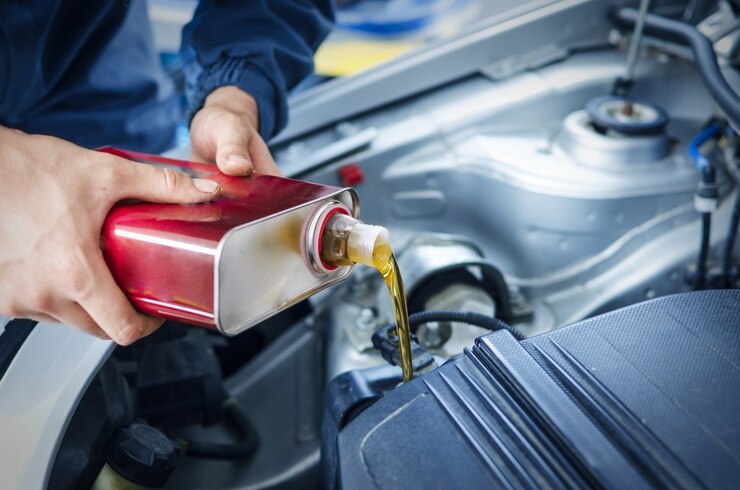
Let’s take a quick look at what a car oil change involves before we explore the advantages. Engine oil powers your car’s engine. Lubricating the moving components reduces friction and wear and tear. Over time, this oil deteriorates due to oxidation, heat, and pollution.
A car oil change involves:
- Draining the old oil: The engine’s old, used oil is removed.
- Oil filter replacement: By capturing pollutants and debris, the oil filter prevents them from entering the engine.
- Refilling with fresh oil: The engine is refilled with the kind and amount of fresh oil that is advised.
The top three benefits of routine car oil change will now be discussed:
1. Improved Engine Performance
The highest engine performance occurs when the oil is fresh and clean. Here’s how:
- Reduced Friction: Fresh oil improves hydration, which lessens friction between moving parts. The engine uses less petrol and operates more smoothly as a consequence.
- Increased Energy: When there are fewer obstacles, more power is transmitted to the wheels. The engine is more responsive and powerful, as you will observe.
- Cooler Engine Operation: By efficiently releasing the heat produced inside the engine, fresh oil helps to avoid overheating and possible engine damage.
2. Increased Engine Lifespan
Regular car oil changes are essential to extending the engine’s lifespan.
- Reduced Wear and Tear: Using the correct oil reduces wear and tear on crucial engine components, including pistons, rings, and bearings.
- Protection Against Corrosion: Engine oil helps in reducing internal engine deterioration. Engine parts are protected from corrosion and damage by the protective barrier that fresh oil offers against corrosive substances.
- Reduced Sludge Formation: Sludge, which may block engine passageways and limit oil flow, can be formed when old oil breaks down. Sludge buildup is avoided with routine adjustments, guaranteeing peak engine performance.
3. Cost Savings
Even while it can first appear like a cost, a car oil change could end up saving you money in the long run.
- Improved Fuel Economy: As previously stated, new oil increases engine efficiency by lowering friction. This results in reduced gasoline expenses due to improved fuel efficiency.
- Reduced Repair Costs: Regular oil changes help prevent major engine problems, including overheating, engine knock, and premature wear and tear. This can significantly reduce the need for expensive maintenance.
- Increased Resale Value: When it comes time to sell, a car with a history of regular oil changes and good maintenance is worth more. Potential buyers are more inclined to pay more for a car that has had regular maintenance.
When Is It Time to Schedule a Car Oil Change?
Many factors determine how frequently a car oil change is to be done, including:
- Driving habits: More frequent car oil changes may be the result of heavy deliveries or short trips.
- Driving conditions: Dusty or rough roads could speed up the oil’s degradation.
- Vehicle manufacturer’s recommendations: Refer to your owner’s manual to determine how frequently to change your car’s oil.
Indications That an Oil Change Is Needed:
- Low oil pressure warning light: This must be rectified immediately since it indicates dangerously low oil levels.
- Dark or discoloured oil: Oxidation and pollution cause old oil to become darker in colour.
- Check engine light: It may activate due to low oil pressure or other engine issues, but it can indicate a variety of issues.
- Unusual engine noises: Unusual sounds like banging or ticking might be signs that the engine isn’t oiled correctly.
- Decreased fuel economy: A noticeable drop in fuel efficiency might indicate that engine friction is rising as a result of deteriorated oil.
Choosing the Right Oil:
Selecting the appropriate type of oil is important. Refer to your owner’s instruction manual for details on the appropriate oil type (conventional or synthetic) and volume. Using the incorrect oil may damage your vehicle and negatively impact engine performance.
Location for Oil Changes:
There are several places where you may get your oil changed:
- Dealership: Dealership service departments have access to the most recent vehicle-specific data and utilise original components.
- Independent mechanic: Independent mechanics frequently provide individualised care and reasonable rates.
- Quick lube shops: These shops provide fast and convenient oil change services.
DIY Oil Change:
You can replace your own oil at home if you’re technically capable. However, it’s important to stick to the proper safety procedures; consult your owner’s manual for further details.
Conclusion:
Regular automobile oil changes are among the most crucial parts of automotive maintenance. By prioritising this simple yet crucial task, you can extend the life of your vehicle, save maintenance and petrol costs, and significantly improve its performance. Remember to schedule your oil changes properly and consult your owner’s manual for comprehensive information.